Iran President, UAE Crown Prince meet on BRICS sidelines, back joint statement urging restraint in West Asia war | World News - Hindustan Times
Iran’s President Ebrahim Raisi and UAE Crown Prince Mohammed bin Zayed Al Nahyan met on the BRICS sidelines, issuing a joint appeal for restraint in the West Asian war. India was highlighted as a diplomatic bridge, with President Droupadi Murmu reinforcing New Delhi’s commitment to dialogue‑based conflict resolution.
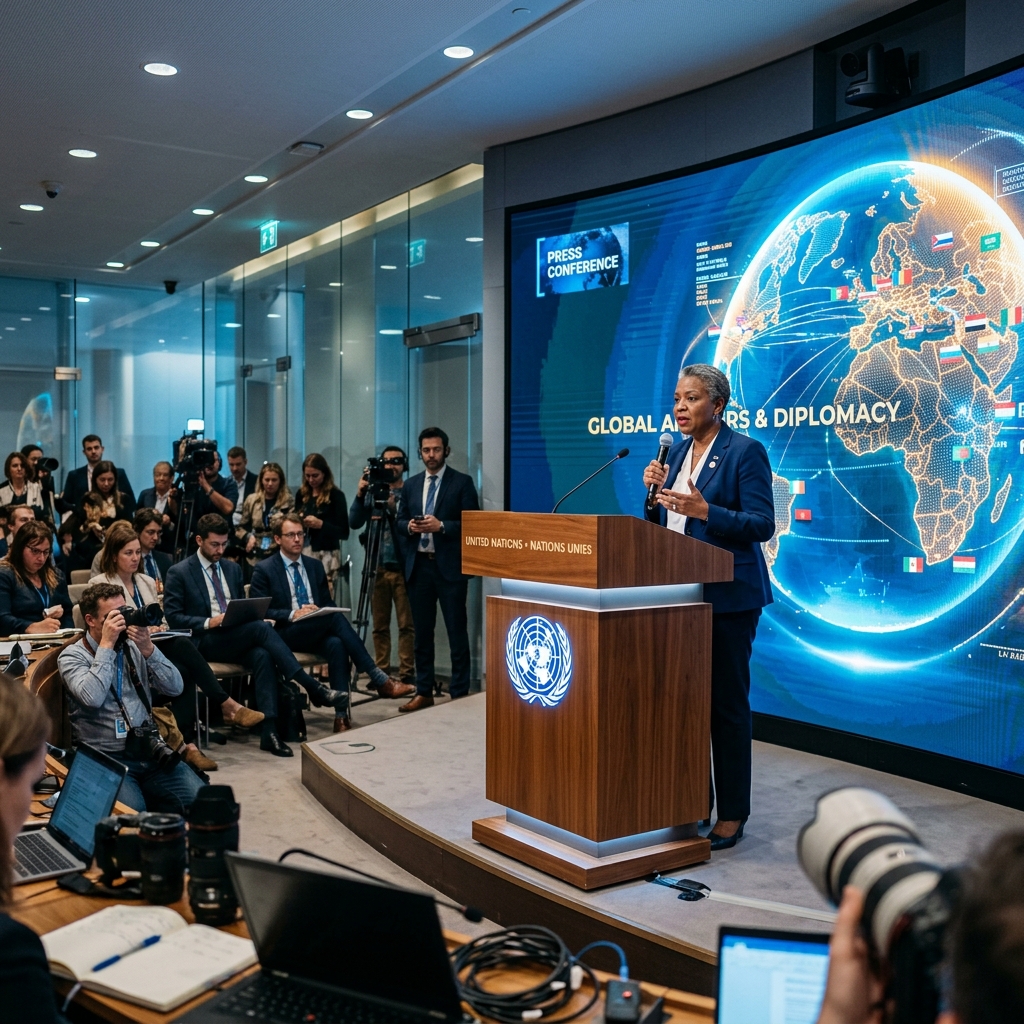
AI Objective Summary
Iran’s President Ebrahim Raisi and UAE Crown Prince Mohammed bin Zayed Al Nahyan met on the BRICS sidelines, issuing a joint appeal for restraint in the West Asian war. India was highlighted as a diplomatic bridge, with President Droupadi Murmu reinforcing New Delhi’s commitment to dialogue‑based conflict resolution.
*Generated automatically for transparency. Verified for objective reporting.
**Iran‑UAE Leaders Meet on BRICS Sidelines, Call for Restraint in West Asia Conflict**
*New Delhi –* On the sidelines of the BRICS summit in Johannesburg, Iran’s President Ebrahim Raisi and United Arab Emirates Crown Prince Sheikh Mohammed bin Zayed Al Nahyan held a bilateral discussion that culminated in a joint statement urging all parties in the West Asian war to exercise maximum restraint. Both leaders highlighted the need for a diplomatic pathway to de‑escalate the hostilities that have inflamed the region since the October 2023 escalation, emphasizing that any further civilian suffering would undermine regional stability and economic recovery. The statement, read out jointly by the two delegations, also reaffirmed the importance of dialogue, respect for sovereignty, and adherence to United Nations resolutions as the only viable route to lasting peace.
India’s role as a “bridge‑builder” was underscored by several Indian media outlets and the United Nations, which praised New Delhi for facilitating the meeting. President Droupadi Murmu, meeting separately with Iran’s Foreign Minister Hossein Mousavian, reiterated India’s longstanding policy of non‑alignment and its commitment to supporting “peaceful resolution through dialogue and diplomacy.” Analysts note that India’s strategic positioning—maintaining cordial ties with Tehran while deepening economic and security cooperation with Abu Dhabi—offers it a unique diplomatic lever to encourage moderation from both sides.
The joint communiqué does not prescribe specific cease‑fire terms but calls on the international community to back confidence‑building measures, humanitarian access, and a swift return to negotiations under UN auspices. Observers from NDTV, The Hindu and India Today suggest that the Iran‑UAE engagement could signal a broader regional recalibration, especially as both nations seek to safeguard trade corridors and energy supplies that intersect with India’s own economic interests. While the statement has been welcomed as a positive diplomatic gesture, experts caution that substantive progress will depend on concrete actions on the ground and sustained multilateral pressure to keep the conflict from spiralling further.
Public Comments Board
Objective discourse and feedback logs (0)