Houthis strike Saudi targets anew as talks over Strait of Hormuz stall - reuters.com
Saudi Arabia was hit by a fresh series of Houthi missile and drone attacks, prompting emergency alerts in four major cities and a vow of a “firm” response. Diplomatic talks to ease tensions in the Strait of Hormuz have stalled, raising fears of wider disruption to global oil shipments.
AI Objective Summary
Saudi Arabia was hit by a fresh series of Houthi missile and drone attacks, prompting emergency alerts in four major cities and a vow of a “firm” response. Diplomatic talks to ease tensions in the Strait of Hormuz have stalled, raising fears of wider disruption to global oil shipments.
*Generated automatically for transparency. Verified for objective reporting.
**Houthis Resume Attacks on Saudi Arabia as Diplomatic Efforts Falter** *By INDGovernment.com Staff*
Saudi Arabia faced a fresh wave of Houthi‑launched missile and drone strikes on Tuesday, targeting a military airbase in the southern province of Jazan and several critical infrastructure sites in the kingdom’s eastern region. The attacks, which the Saudi Ministry of Defense said caused “limited damage” but injured a handful of personnel, prompted the kingdom to issue emergency alerts for the cities of Jeddah, Mecca, Riyadh and Dammam. In a televised briefing, Crown Prince Mohammed bin Salman warned that Saudi forces would respond “firmly” to any further aggression, underscoring the escalating security calculus in the Red Sea and the Gulf of Aden.
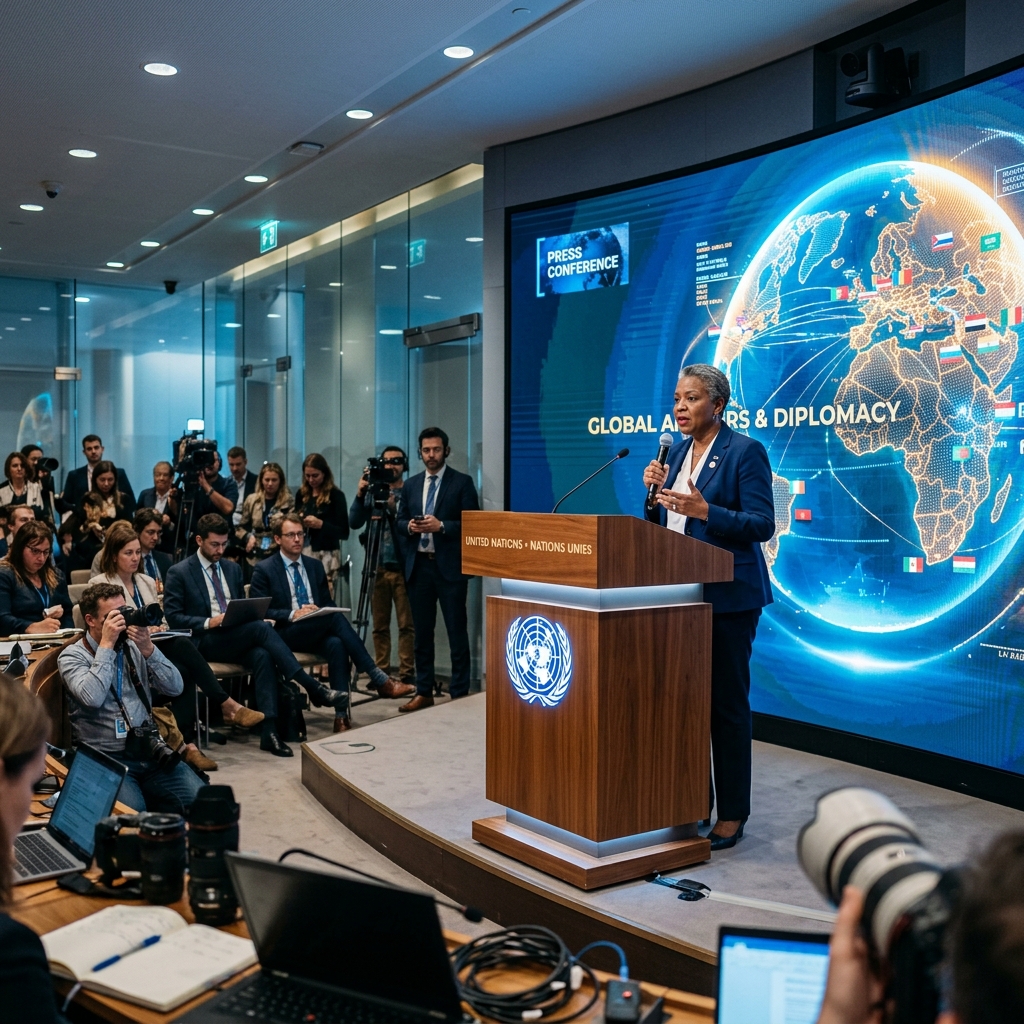
The renewed strikes come as multilateral talks aimed at de‑escalating tensions in the Strait of Hormuz have stalled. Negotiators from the United Nations, the United States and Gulf Cooperation Council (GCC) members have been unable to secure a cease‑fire or a framework for the safe passage of commercial vessels, a concern amplified after the Houthis announced that they would keep “pressuring Saudi interests” until their demands—primarily the lifting of the Saudi‑led coalition’s blockade of Yemen and the release of Houthi prisoners—are met. Shipping analysts warned that any prolonged disruption could threaten the flow of oil and liquefied natural gas that routinely transits the strait, potentially adding upward pressure on global energy prices.
Regional actors are watching the developments closely. Pakistan, traditionally aligned with Saudi Arabia, has recently back‑tracked on its public condemnation of the Houthi campaign, emphasizing the need for “responsible dialogue” and offering to mediate between the parties. Meanwhile, Iran’s foreign ministry reiterated its support for the Yemeni movement, accusing Riyadh of “aggression” and calling for an immediate cease‑fire. The confluence of renewed Houthi attacks, stalled diplomatic talks, and shifting regional postures underscores a volatile security environment that could spill over into broader maritime conflict if not addressed swiftly.
Public Comments Board
Objective discourse and feedback logs (0)