Don't let US use your territory to attack Iran, Pezeshkian urges Gulf states - India Today
Iranian official Mohammad‑Reza Pezeshkian cautioned Gulf states against permitting U.S. forces to launch attacks on Iran, linking the issue to broader regional security and calls for Muslim unity. He also urged BRICS nations to oppose any normalization of aggression toward Tehran, as tensions over the Strait of Hormuz continue to rise.
AI Objective Summary
Iranian official Mohammad‑Reza Pezeshkian cautioned Gulf states against permitting U.S. forces to launch attacks on Iran, linking the issue to broader regional security and calls for Muslim unity. He also urged BRICS nations to oppose any normalization of aggression toward Tehran, as tensions over the Strait of Hormuz continue to rise.
*Generated automatically for transparency. Verified for objective reporting.
**Iranian Official Warns Gulf States Against Allowing U.S. Military Use of Their Territory**
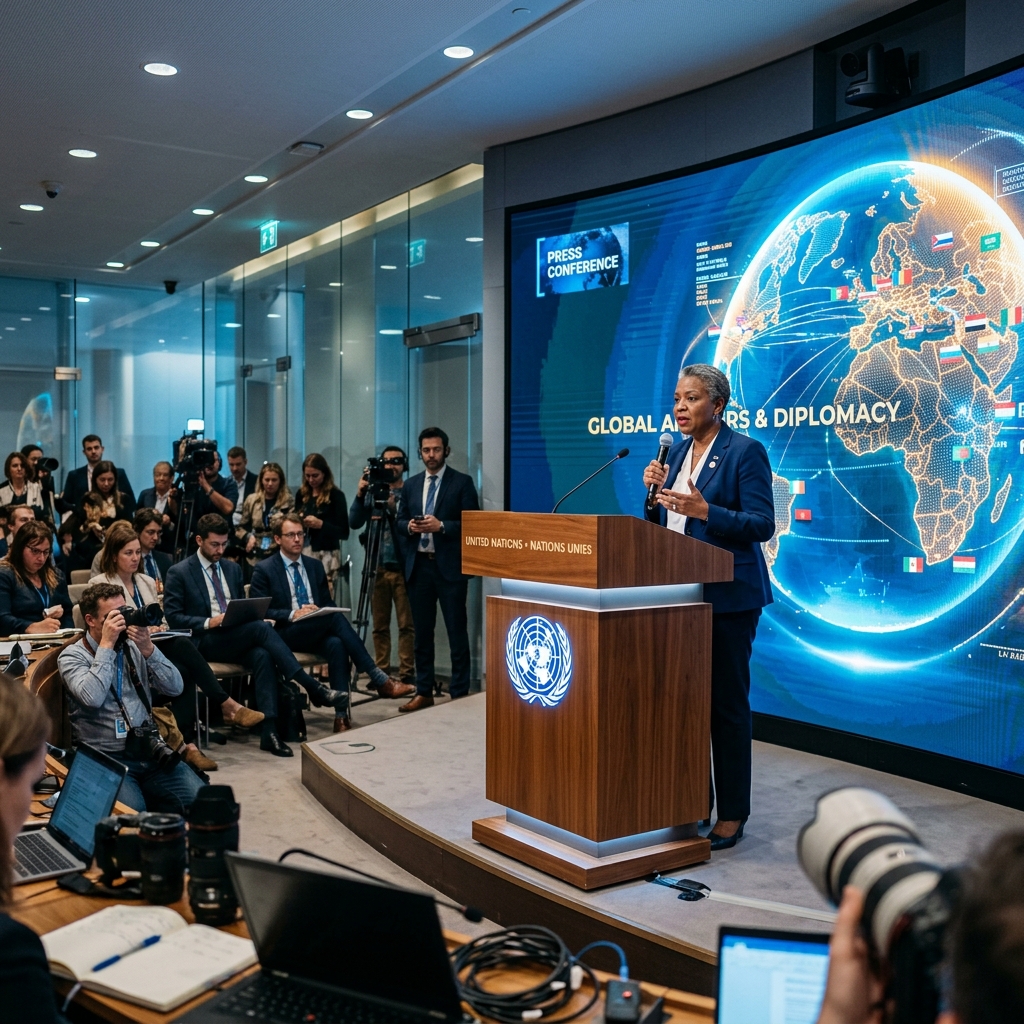
Tehran’s senior political figure, Mohammad‑Reza Pezeshkian, delivered a stark warning to the Gulf Cooperation Council (GCC) nations, urging them not to permit the United States to stage attacks on Iran from their soil. Speaking at a press conference in Tehran, Pezeshkian said any agreement that would let U.S. forces use Gulf bases as launch points “would betray regional solidarity and jeopardise the security of Muslim nations.” He framed the appeal as part of a broader call for West Asian states to reject the notion of a U.S. “policeman” in the region, echoing President Ebrahim Raisi’s recent comment that the Middle East “has no need for external policing.”
The warning comes amid heightened tensions over the Strait of Hormuz, where Iran has signalled that the vital waterway will remain closed unless specific U.S. actions are halted. Pezeshkian outlined a set of conditions for the reopening of Hormuz, including the cessation of what he described as “U.S. plots to divide Muslim nations” and the withdrawal of American military assets that could be used for offensive operations against Tehran. While Gulf states have historically balanced relations with both Washington and Tehran, officials in Saudi Arabia and the United Arab Emirates have not publicly responded to Pezeshkian’s remarks, opting instead for diplomatic channels to address the dispute.
Pezeshkian also appealed to the BRICS grouping, urging its members to oppose any “normalisation of attacks” on Iran and to support a multilateral framework that curtails unilateral military actions. Analysts note that the Iranian official’s statements aim to rally broader Muslim solidarity and to pressure the United States into de‑escalating its regional posture. The United States, for its part, has reiterated that its presence in the Gulf is intended to ensure the free flow of commerce and regional stability, while warning that any restrictions on its operational freedom could undermine collective security arrangements.
Public Comments Board
Objective discourse and feedback logs (0)