"Remember Where Bin Laden Hid": India Asks UN To See Reality Of Terror - NDTV
India urged the UN Security Council to acknowledge that Pakistan continues to harbor militants linked to the 9/11 attacks, calling for coordinated international action. The remarks heightened diplomatic tensions, prompting calls for a balanced, multilateral response to South Asia’s complex terror landscape.
AI Objective Summary
India urged the UN Security Council to acknowledge that Pakistan continues to harbor militants linked to the 9/11 attacks, calling for coordinated international action. The remarks heightened diplomatic tensions, prompting calls for a balanced, multilateral response to South Asia’s complex terror landscape.
*Generated automatically for transparency. Verified for objective reporting.
**India Calls on the United Nations to Confront the “Reality of Terror”**
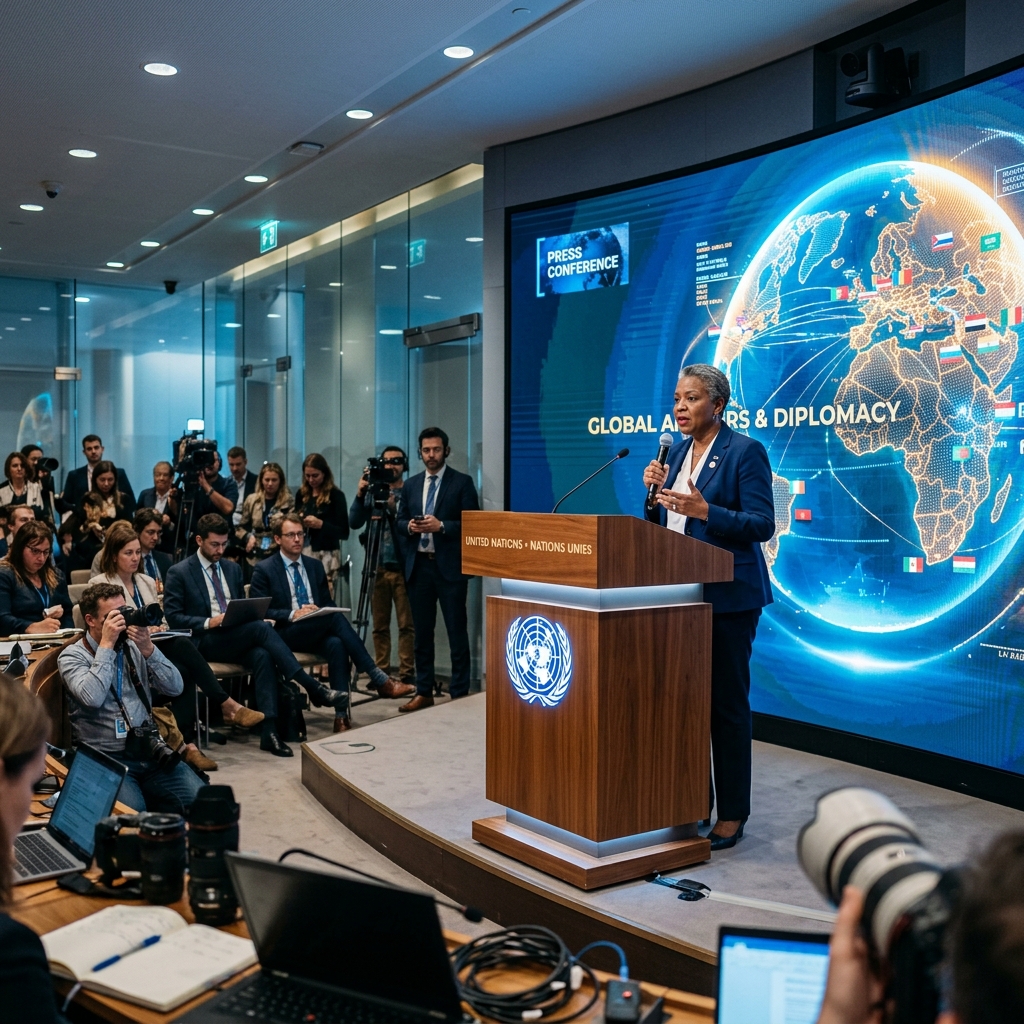
NEW YORK — In a forceful speech to the United Nations Security Council on Tuesday, India’s permanent representative urged the body to recognize what New Delhi describes as the “persistent safe‑havens” that have allowed extremist networks to thrive in South Asia. Citing declassified intelligence and diplomatic assessments, the Indian delegation asserted that key architects of the September 11, 2001 attacks were identified in Pakistan and that the same terrain continues to shelter militants linked to Lashkar‑e‑Taiba (LeT) and Jaish‑e‑Mohammed (JeM). “Remember where bin Laden hid,” the ambassador warned, emphasizing that the failure to address these sanctuaries perpetuates a global terror threat.
India’s remarks came amid a broader push to highlight the historical and strategic dimensions of regional security. The delegation referenced the deep‑rooted ties between Afghanistan and Pakistan, arguing that the porous border and the legacy of Cold‑War-era proxy wars have created an environment conducive to the financing, recruitment, and movement of terrorist groups. New Delhi called for enhanced intelligence sharing, stricter enforcement of UN counter‑terrorism resolutions, and a unified stance against any state that “protects or tolerates” organizations designated as terrorist entities by the United Nations.
While India framed its appeal as a collective security imperative, officials from Pakistan and several Muslim‑majority nations expressed concern over the language, describing it as “one‑sided” and “politically motivated.” The United Nations has yet to schedule a formal debate on the allegations, but the discussion is expected to shape upcoming deliberations on the UN’s Counter‑Terrorism Implementation Task Force. Observers note that the exchange underscores enduring mistrust between New Delhi and Islamabad, and that any resolution will require delicate diplomatic navigation to balance counter‑terrorism objectives with regional stability.
Public Comments Board
Objective discourse and feedback logs (0)